International partnership in customs control: guest lecture within the framework of SDG 17
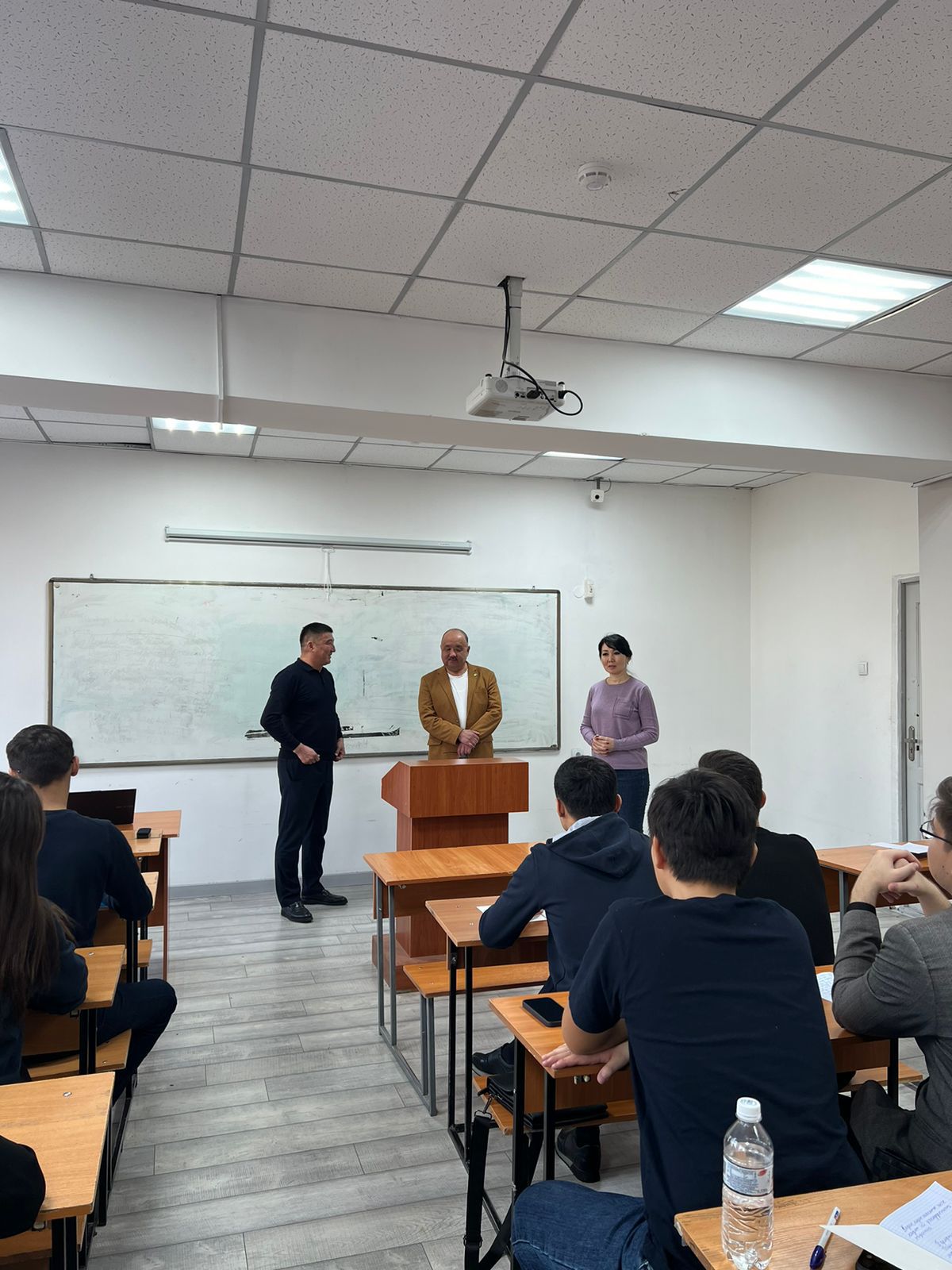
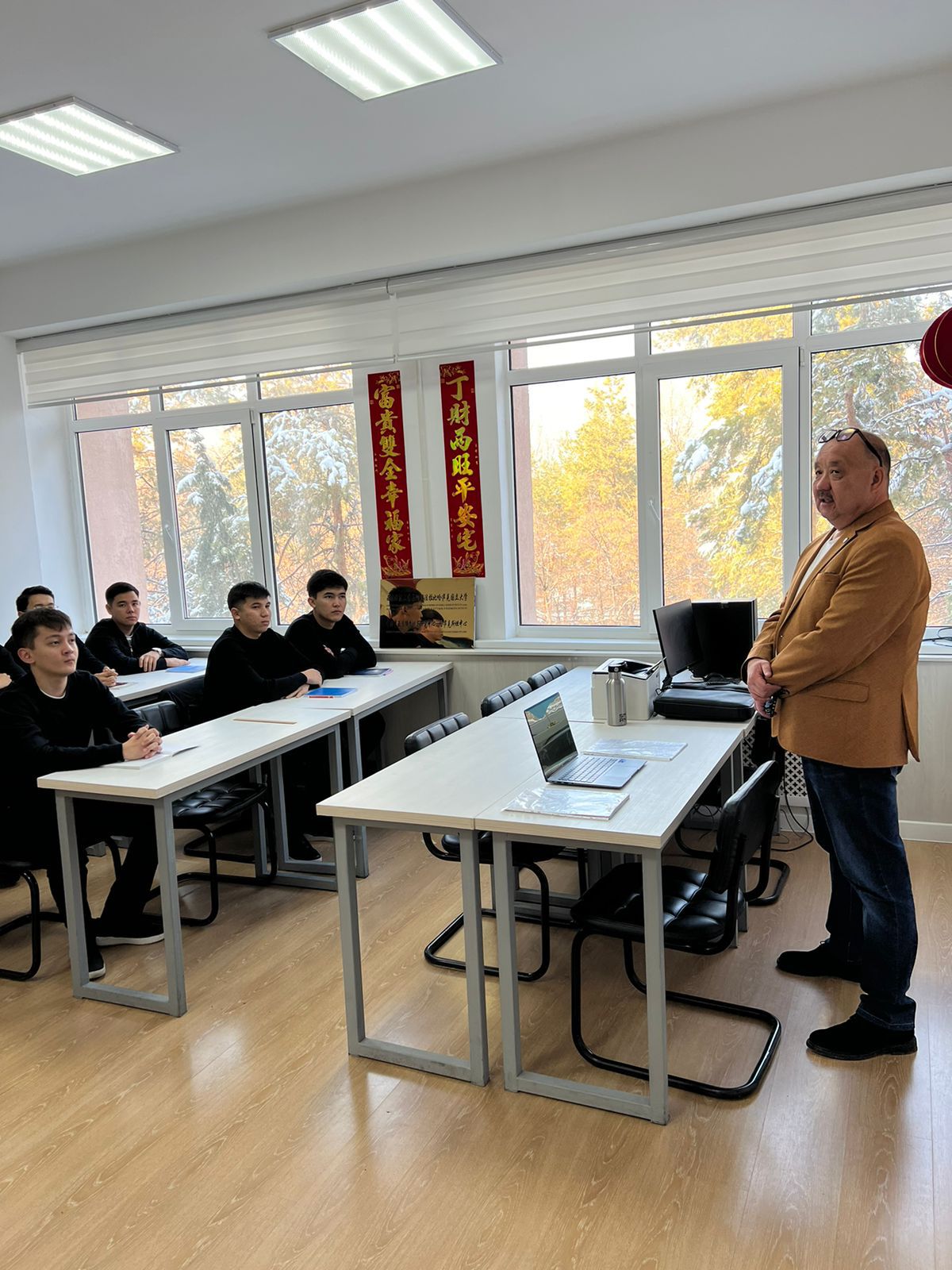
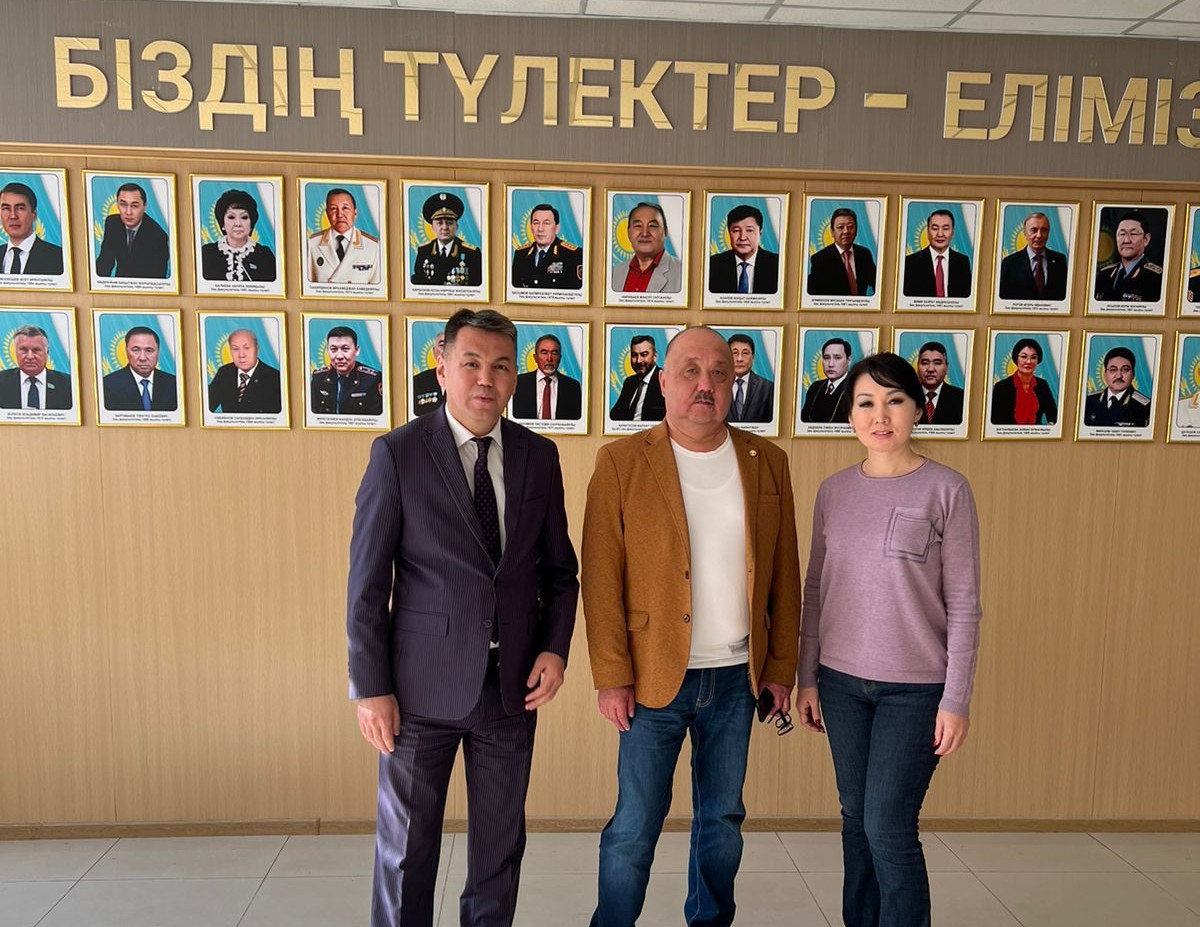
On December 10, 2025, the Dean of the Faculty of Law of the Karaganda National Research University named after Academician E.A. Buketov, Candidate of Legal Sciences, Abzal Serikbayev, delivered a guest lecture at the Faculty of Law of Al-Farabi Kazakh National University. The lecture was organized with the participation of the academic staff and students of the Department of Customs, Financial, and Environmental Law.The guest lecture was opened with a welcoming address by the Head of the Department of Customs, Financial, and Environmental Law, Doctor of Legal Sciences, Professor Gul’dana Amangeldievna Kuanalieva, who emphasized the relevance and significance of the topic. In her speech, she noted that in the context of current global challenges, ensuring customs security requires coordinated and consistent actions at the international level. She also highlighted the importance of strengthening academic partnerships between higher education institutions, developing scientific cooperation, and exchanging professional experience as key prerequisites for addressing contemporary issues in the fields of customs, financial, and environmental law.The guest lecture was devoted to the 17th United Nations Sustainable Development Goal — “Partnerships for the Goals: International Cooperation in Combating Offenses in the Field of Customs Control.” During the lecture, the speaker provided a comprehensive analysis of the role of interaction among states, international organizations, customs authorities, educational institutions, and civil society in achieving sustainable development.In particular, the lecture addressed the key mechanisms of international legal partnership in the prevention of and борьба against offenses in the field of customs control, including information exchange, joint control measures, the application of digital technologies, and the implementation of international standards. The legal foundations for counteracting transboundary offenses in the areas of customs, financial, and environmental law were also discussed.The lecture was conducted in an interactive format, during which members of the academic community and students actively engaged in discussion and received clear and substantive answers to their questions. The guest lecture provided an important platform for scholarly exchange, deepening professional knowledge, and legal analysis of issues related to the prevention of customs offenses within the framework of the Sustainable Development Goals.At the conclusion of the event, the parties expressed their readiness to further strengthen academic and educational cooperation in the field of customs control, conduct joint research projects, and develop academic partnerships aimed at achieving the Sustainable Development Goals.