BUKETOV NATIONAL UNIVERSITY DISCUSSED THE DEVELOPMENT OF DOUBLE-DEGREE EDUCATION
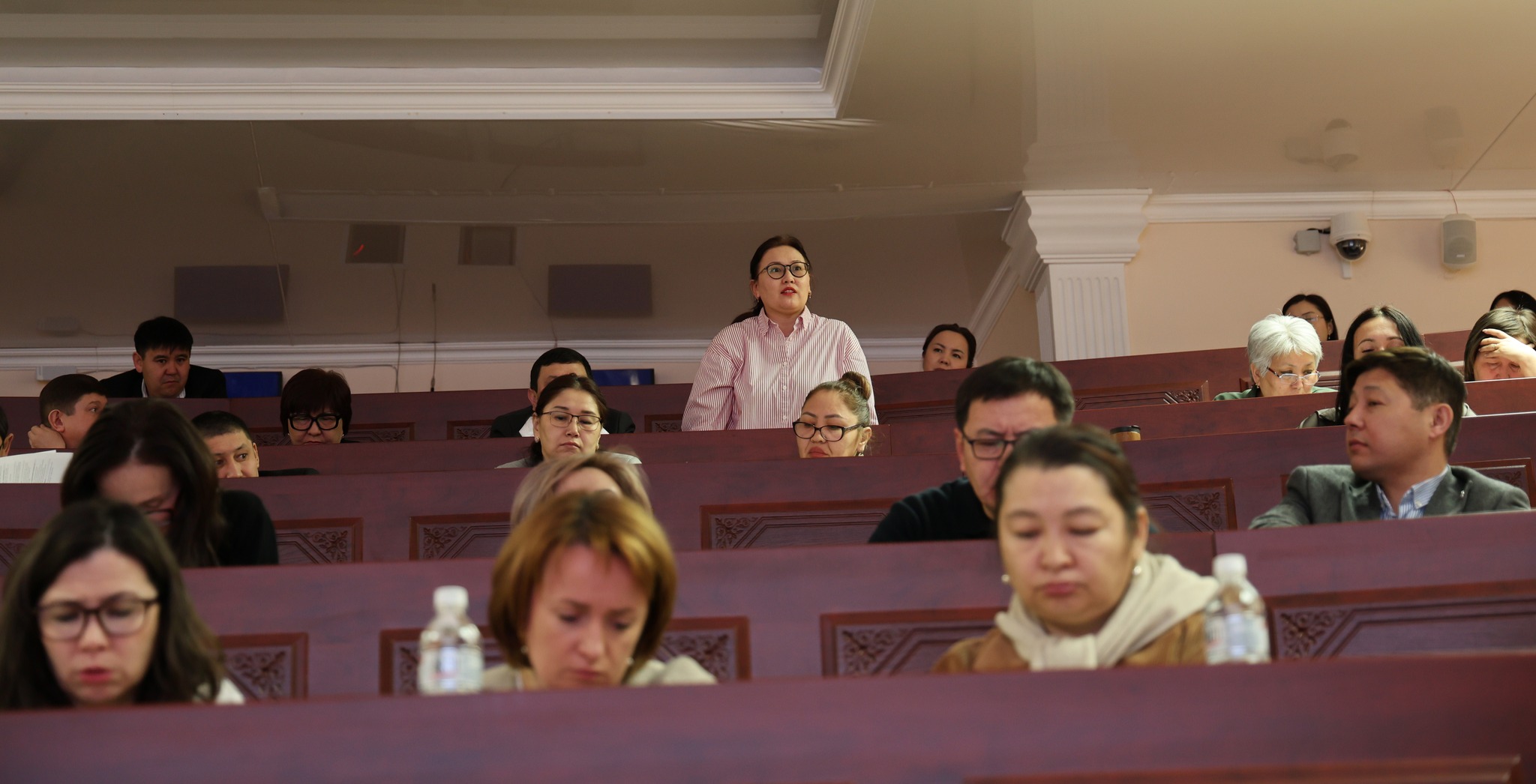
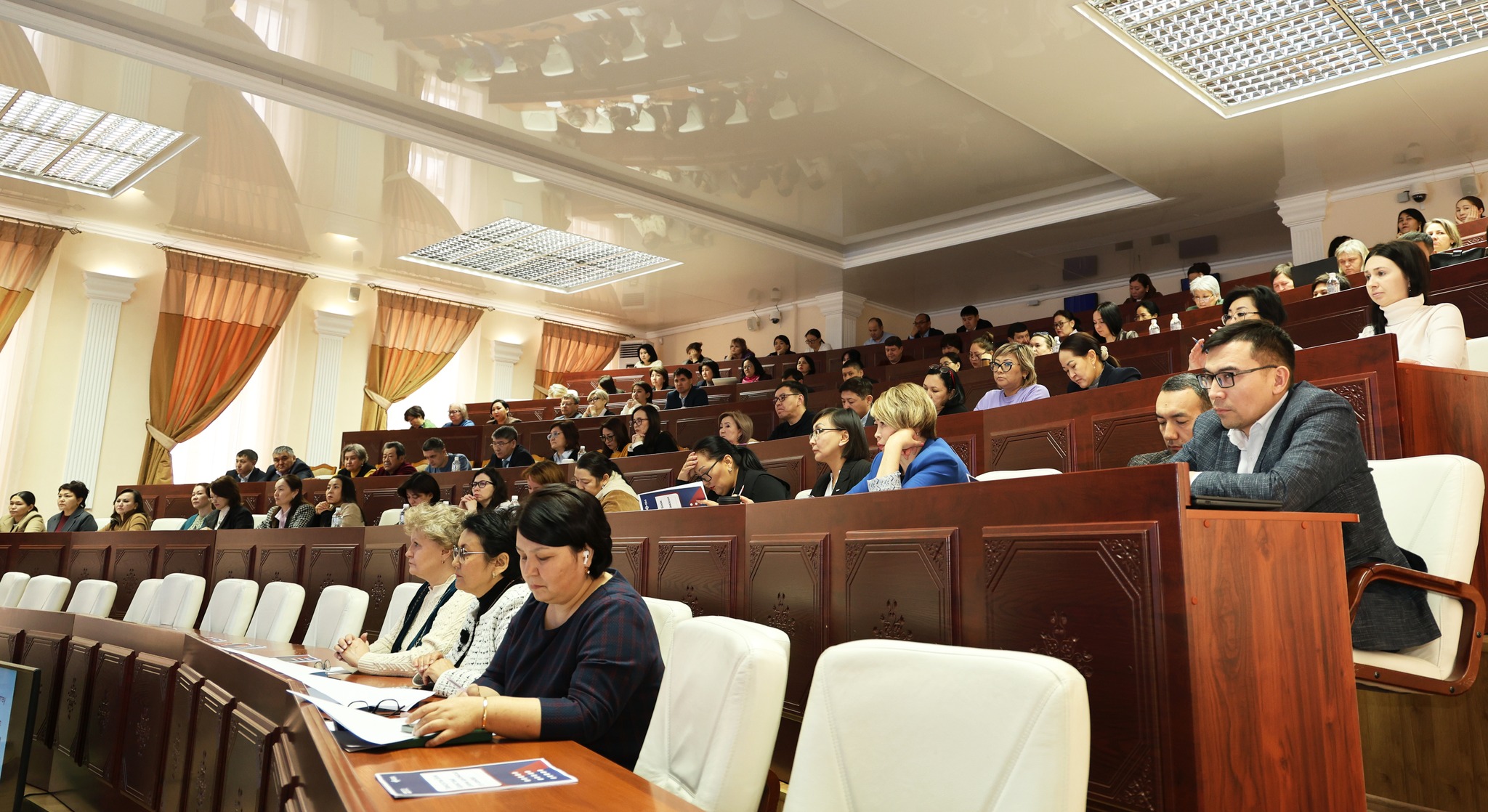
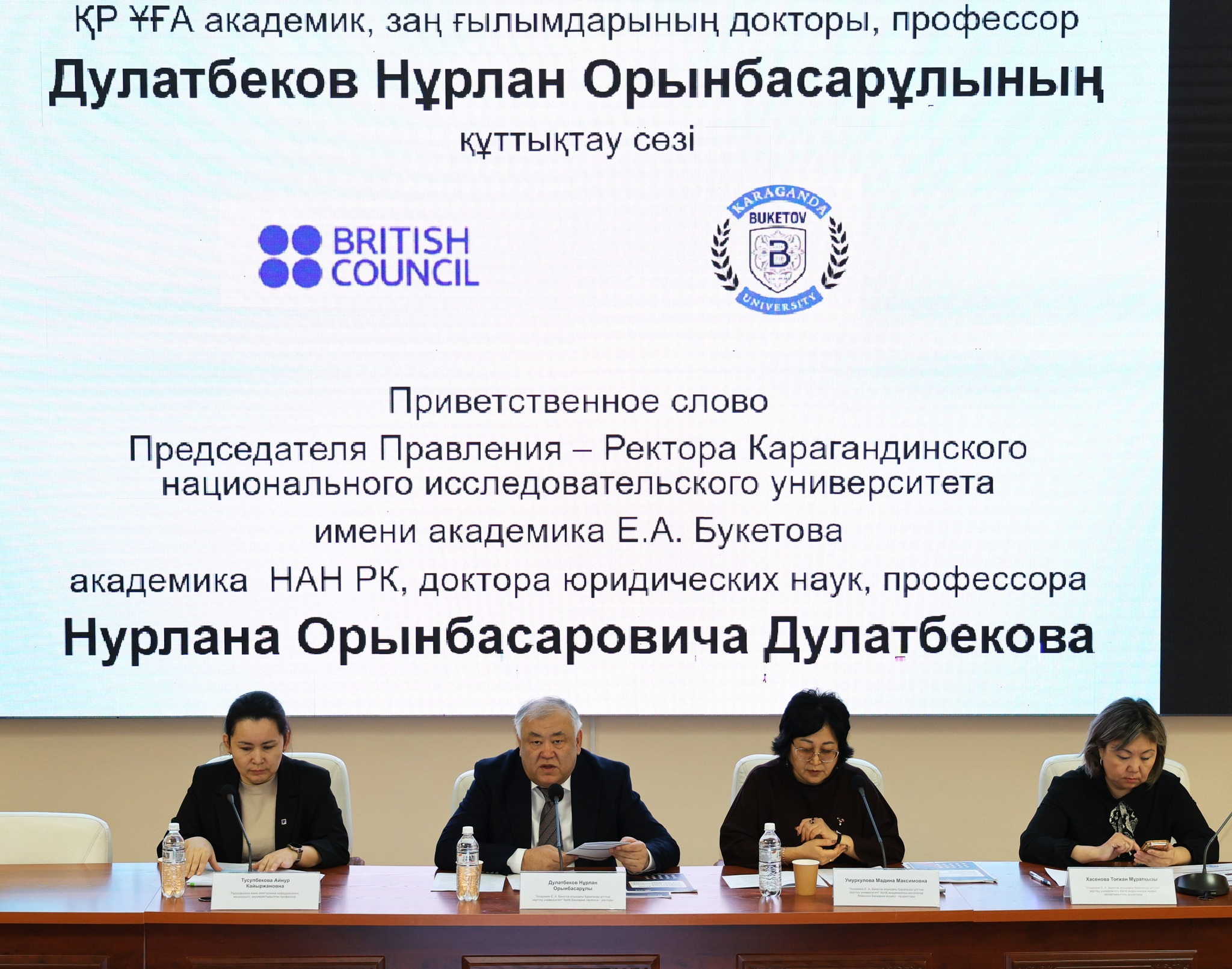
On March 5, Buketov National University hosted an international seminar, "Double-Degree Education: From Strategy to Implementation." Members of the Board, faculty representatives, program directors, and representatives of the network university participated in the event. During the meeting, participants discussed practical mechanisms for implementing dual-degree programs and key implementation issues.University Rector Nurlan Orynbasarovich Dulatbekov noted that dual-degree education is a strategic tool for the university, enabling it to implement advanced teaching methods used in leading global educational centers and to test its own educational programs internationally."International cooperation is a two-way street. We are open to criticism, ready to adopt best practices, and share our own developments. I am confident that today's seminar will serve as the basis for new memoranda and educational programs that will change the lives of thousands of students." Vice-Rector for Academic Affairs Madina Maksimovna Umurkulova noted the importance of dual-degree education as a tool for expanding international cooperation and academic mobility."Dual-degree education is a kind of bridge between countries. For this bridge to be strong, partner universities must be united in their requirements, capabilities, and aspirations. Our goal is to make the student's path to dual-degree education transparent, effective, and comfortable."During the seminar, Ainur Kaiyrzhanovna Tusupbekova, Associate Professor of the Department of Radiophysics and Electronics, delivered a presentation detailing the advantages of dual-degree education, drawing on international experience. The speaker emphasized the program's role in expanding academic mobility, strengthening scientific potential, and aligning educational quality with international standards.International partners who joined the meeting online also shared their vision of the programs' prospects and effectiveness, expressing their readiness for further collaboration. The seminar was productive and provided a platform for professional dialogue and exchange of experiences. Issues of joint academic supervision, eliminating language barriers, harmonizing educational programs, and expanding international academic partnerships were discussed. Participants who actively participated in the seminar were awarded special certificates.