×


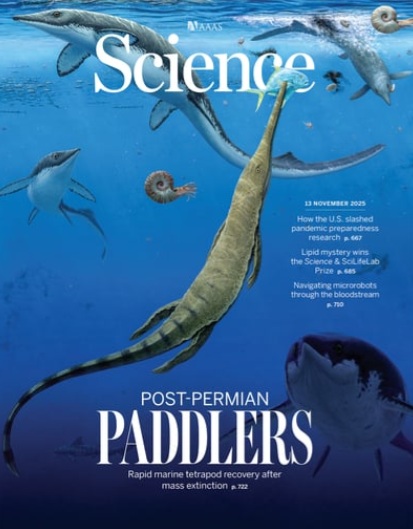
Archaeologists from the E.A. Buketov Karaganda National Research University (E.R. Usmanova, V.V. Varfolomeev) participated in an international project dedicated to the emergence and diversification of dog morphology over millennia. This groundbreaking archaeological study revealed when domestic dogs first began to exhibit the remarkable diversity they exhibit today. The results of the study were published in the highly rated journal Science, "The Emergence and Diversification of Dog Morphology" (Q1, CiteScoreTracker 2025: 41.5).
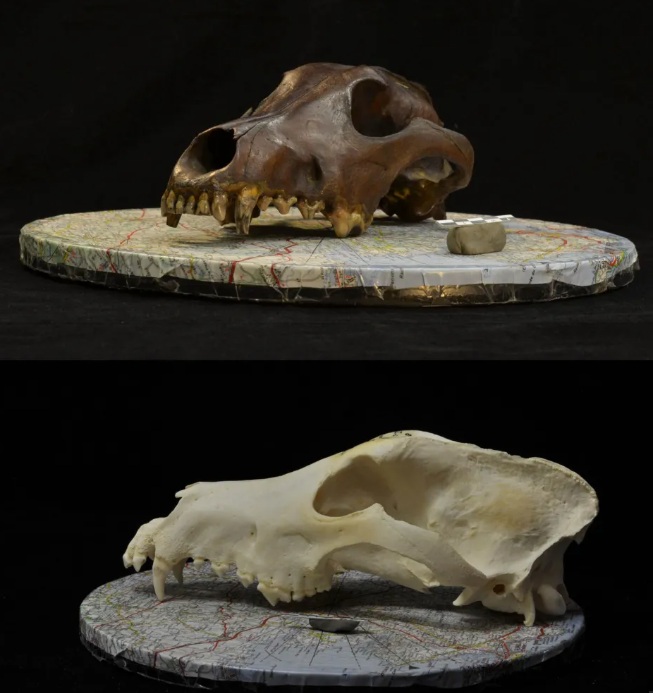
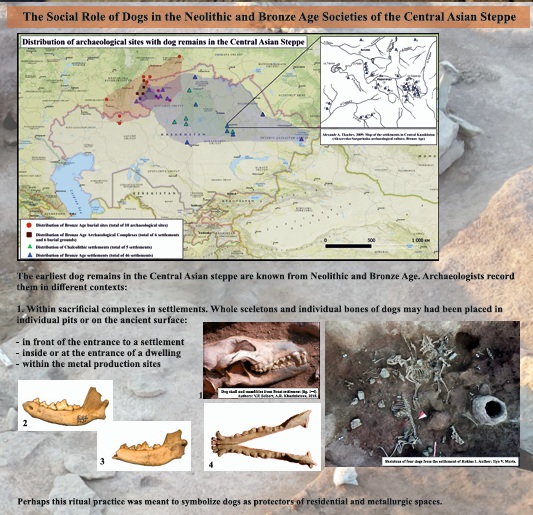
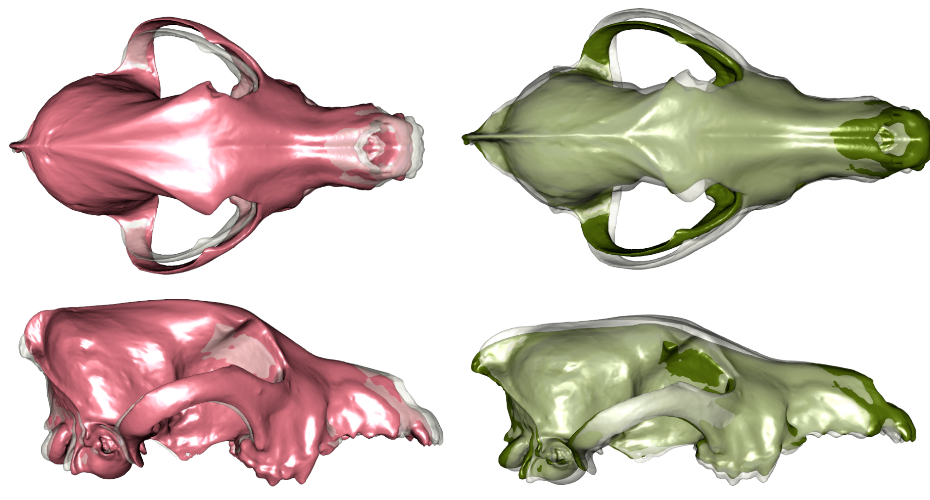
Dogs exhibit an exceptional range of morphological diversity as a result of their long association with humans. Attempts to determine when canine morphological variation began to expand have been hampered by the limited number of Pleistocene specimens, the fragmentary nature of remains, and the difficulty in distinguishing early dogs from wolves based on skeletal morphology. In this study, researchers used three-dimensional geometric morphometrics to analyze the size and shape of 643 canid skulls spanning the last 50,000 years.
The analysis shows that distinctive canine morphology first appeared approximately 11,000 years ago, and significant phenotypic diversity already existed in early Holocene dogs.
This variation, therefore, arose many millennia before the intense human-mediated selection that shaped modern dog breeds, beginning in the 19th century.
Link: https://www.science.org/doi/10.1126/science.adt0995...